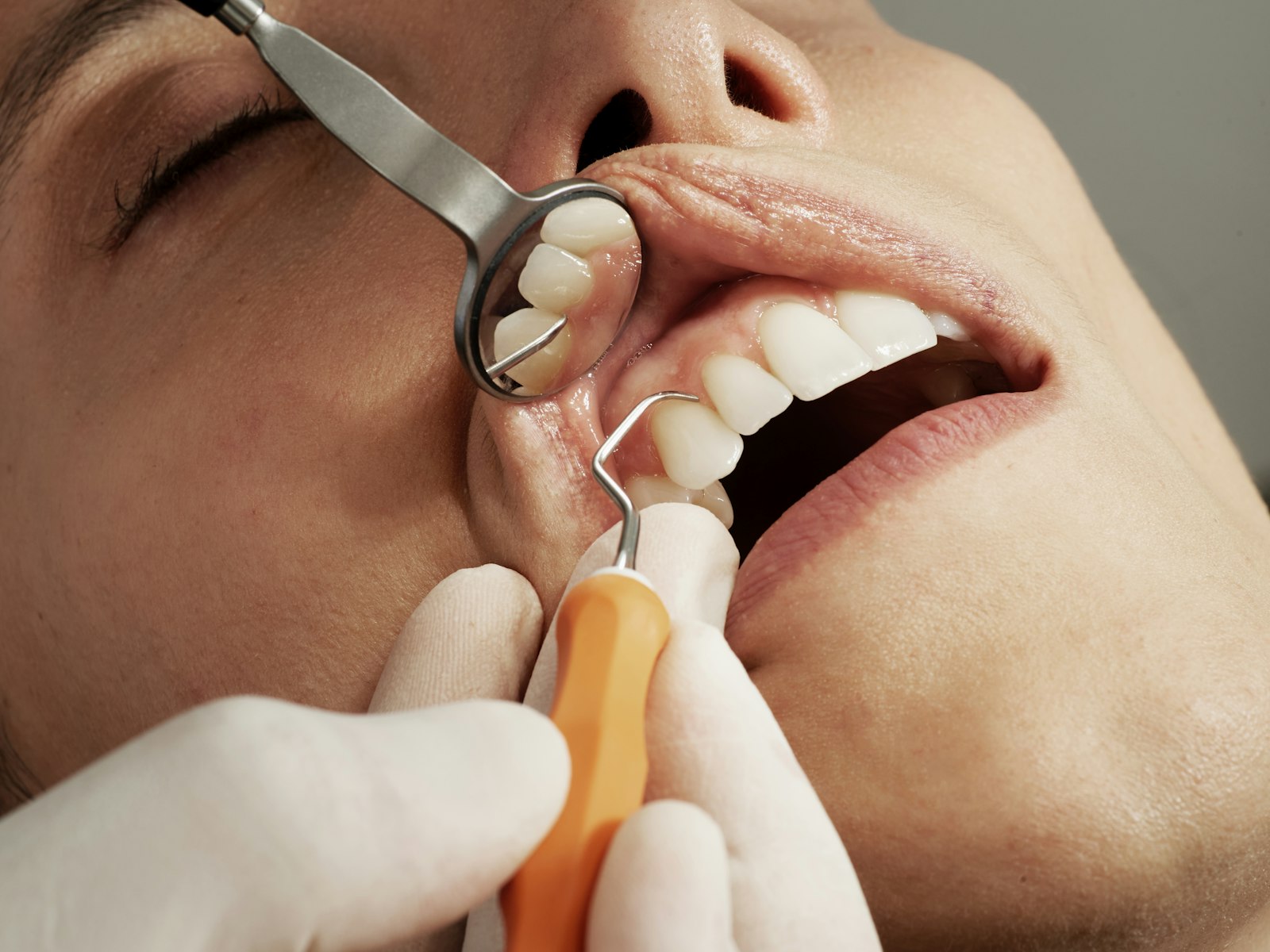
"Take the exam" sounds simple. It isn't. Each of the five 2026 dental destinations runs a different exam architecture — single integrated cognitive test, paired written + clinical, sequential 4-exam pipeline, language-then-clinical hybrid. The architecture determines where time, money, and emotional bandwidth go.
INBDE — United States
- Format: single integrated cognitive exam. 500 questions over 1.5 days. Case-based.
- Pass rate: ~73% first attempt for foreign-trained.
- Fee: ~$520 per attempt via JCNDE.
- Replaces old NBDE Parts I and II.
- Required before IDP clinical year + state licensure exams.
- Prep: 6–12 months realistic.
ADC Written + Practical — Australia
- Two cognitive gates + one clinical gate.
- Written: 150 MCQ × 2 days (Dubai/Istanbul/UAE). ~AUD 2,500. Pass ~62%. 5-year validity from March 2026 (was 3).
- Practical: 3 components (DTP + manikin + OSCE). Melbourne only. ~AUD 8,500. Pass ~58%.
- Skills assessment moved to post-exam (October 2025).
- Total prep: 9–18 months.
ORE Part 1 + Part 2 — United Kingdom
- Part 1: 200 MCQ + 100 EMQ. Global Pearson VUE. £485 (post-March 2026, −17%). Pass ~48%.
- Part 2: DTP + data interpretation + written response + OSCE/manikin. UK only. £6,967 (post-March 2026, +65%). Pass ~52%.
- 5-year validity between parts — Part 1 from home country, Part 2 in UK.
- Total prep: 9–15 months.
NDEB four-exam pipeline — Canada
- Four sequential exams: AFK → ACJ → NDECC → Virtual OSCE.
- AFK: 150 MCQ, 5 hours, CAD 1,000. Pass ~65%.
- ACJ: clinical scenarios, 5 hours, CAD 1,000.
- NDECC: 2-day practical in Canada, ~CAD 10,000.
- Virtual OSCE: remote clinical, ~CAD 2,000.
- Total fees: ~CAD 14,000. Prep: 8–18 months.
- BTDPC alternative (ACFD pilot, 8 months) skips NDECC for Canadian PR holders.
Kenntnisprüfung — Germany
- Three sequential parts.
- Written: 4–5 hours, ~€400.
- Oral: 60-min panel exam with 3 examiners, ~€400, in German.
- Practical: 5 hours clinical procedures on manikin, ~€600.
- All in German at FSP level.
- Bundestag law (March 26, 2026) standardized as federal default. 3-attempt federal limit nationwide.
- Pass rate: 50–60% first attempt, Bundesland-dependent.
Side-by-side comparison
| Exam | Structure | First-attempt pass | Total fees | Location |
|---|---|---|---|---|
| INBDE (US) | Single integrated, 1.5 days | ~73% | ~$520 | Global Prometric |
| ADC (AU) | Written + Practical | ~62% / ~58% | AUD ~11,000 | Dubai/Istanbul + Melbourne |
| ORE (UK) | Part 1 + Part 2 | ~48% / ~52% | £7,500+ | Global + UK |
| NDEB (CA) | 4-exam pipeline | ~65% per exam | CAD ~14,000 | Canada (NDECC) + remote |
| Kenntnisprüfung (DE) | Written + Oral + Practical | ~50–60% | €1,400+ | Bundesland |
Pass rate is misleading
A 48% first-attempt pass rate (ORE Part 1) sounds dire compared to INBDE's 73%. But ORE candidates who fail typically retake within 6 months with high success. INBDE candidates who fail face IDP clinical-year setbacks that often add a full year. Pass rate × consequence-of-failure is the metric that matters, not first-attempt pass rate alone.
What comes next
Week 6: the visa. How exam-cleared licensure connects to legal residence and the right to practice. Health and Care Worker Visa (UK), Skills in Demand (AU), Express Entry Healthcare (CA), Chancenkarte / Anerkennungspartnerschaft (DE), F-1 → OPT → H-1B (US).
Sources
All 11 exam knowledge-base entries: INBDE, ADC, ORE, AFK, ACJ, NDECC, Virtual OSCE, Kenntnisprüfung, Fachsprachprüfung Zahnmedizin, ADAT, ADEX. Plus the 5 country files in the RxApply knowledge base.